Recovery Camps
Foxton Rainbow Camp 2026
Dec 11, 2025
Read more
Recovery Capital is the personal, social, and community resources that support long-term recovery.

Recovery Capital is the combination of personal strengths, social supports, and community resources that help people move toward long-term wellbeing. It recognises that recovery is strengthened when people have the tools, relationships, and environments that give them stability, purpose, and a sense of belonging.
Personal Capital includes the inner resources a person brings — resilience, insight, identity, coping skills, and self-belief.
Social Capital reflects the support around them — whānau, peers, mentors, and safe, pro-social connections.
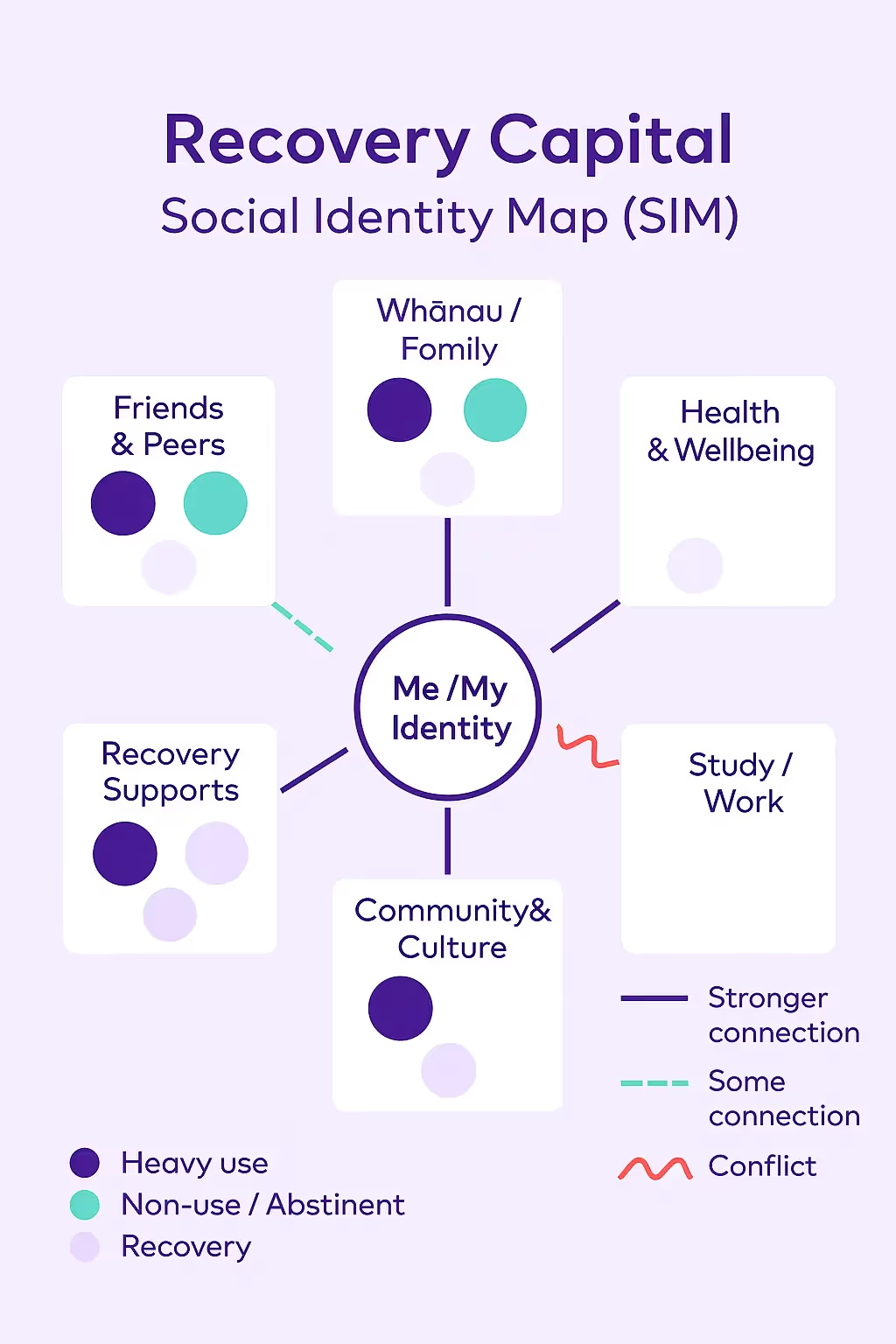
The Social Identity Map (SIM) strengthens understanding of both Personal and SocialCapital by helping people explore the groups, roles, and communities that shape their sense of self. Identity and belonging are powerful influences in recovery, and SIM makes these patterns visible.
SIM allows people to identify:
• which identities and communities support their recovery
• which ones may create pressure, risk, or stigma
• where they feel supported, valued, and able to grow
• opportunities to build new pro-social connections and belonging
By mapping their identities, people can strengthen the roles and relationships that anchor their wellbeing and intentionally build social networks that support long-term recovery. SIM deepens Recovery Capital by showing that who we connect with — and who we believe ourselves to be — profoundly shapes the recovery journey.
Community Capital refers to the wider environment — housing, culture, health services, education, employment, and communities that welcome and support recovery.
Recovery Capital supports people to rebuild, reconnect, and participate fully in life.